Business Email Compromise (BEC) has become a leading threat to organizations worldwide. It causes billions of dollars in losses annually. As attackers continue to refine their tactics, every business needs to understand these attacks. This guide examines BEC to help you recognize threats and reduce your organization's risk.
What is Business Email Compromise?
Business Email Compromise is a targeted email-based attack that relies on social engineering. Attackers often impersonate trusted individuals, such as executives, employees, suppliers, or legal counsel. They trick recipients into transferring funds, revealing sensitive information, or performing other damaging actions.
Unlike broader phishing campaigns, BEC is carefully planned and highly personalized. This increases the likelihood of success and often bypasses traditional email security measures.
The scale of the threat is significant. The FBI's Internet Crime Complaint Center reports that BEC attacks resulted in adjusted losses of over $2.7 billion in 2022 alone. These attacks exploit human trust as much as technical vulnerabilities, making them particularly dangerous and difficult to detect.
The five main types of BEC attacks
Most BEC schemes fall into five major categories:
1. Bogus invoice schemes
This is one of the most prevalent forms of BEC. Attackers impersonate a trusted vendor or supplier and send fake invoices or payment requests. The emails often come from compromised or convincingly spoofed accounts, making them appear entirely legitimate.
In some cases, attackers leverage trusted platforms such as QuickBooks or PayPal to send invoices. They exploit the fact that messages from these services rarely trigger security alerts or suspicion.
Example: A finance manager at a medium-sized company receives an invoice from what appears to be a longstanding vendor. The email comes from a genuine QuickBooks address. Because QuickBooks is widely trusted and the tone matches previous correspondence, the payment request gets processed without further checks. The funds, once sent, go to an account controlled by the attacker.
2. CEO fraud
CEO fraud, also known as executive impersonation, involves attackers pretending to be a senior executive. Using either a compromised account or a well-crafted spoof, they send emails to finance or HR staff requesting urgent action. This typically involves a wire transfer, the release of sensitive data, or a change to payroll details.
The urgency and authority associated with executive requests make these very effective.
Example: During the end of a busy quarter, the CFO receives an email appearing to be from the CEO. The email requests that a "confidential" wire transfer be made to a new supplier before close of business. Because the request is urgent and the language is familiar, the CFO responds quickly. They discovered later that the funds went to a fraudulent account abroad.
3. Account compromise
In account compromise or Account Takeover (ATO) attacks, attackers breach a real user's email account. This often happens due to credential reuse or phishing. The attacker then uses the account for malicious activity. Because the attacker now controls a legitimate, trusted account, their requests appear reasonable and trustworthy to others within the organization.
4. Attorney impersonation
Attackers often pose as legal counsel, sometimes using domains that closely mimic those of legitimate law firms. They pressure employees into sharing sensitive company or client information or making urgent payments. The appearance of a legal request, often referencing ongoing deals or disputes, can prompt recipients to act without due diligence.
5. Data exfiltration
This attack targets employees, typically in HR or finance, with the goal of obtaining confidential employee or customer data. This includes tax statements, payroll lists, or personally identifiable information (PII). Attackers often use the stolen data for further fraud, identity theft, or other attacks, both inside or outside the company.
The anatomy of a BEC attack
BEC attacks are not random. Attackers typically follow a methodical playbook:
- Research the target: Attackers leverage open-source intelligence, social media, company press releases, and leaked data. They identify organizational structure, business processes, and who holds financial authority.
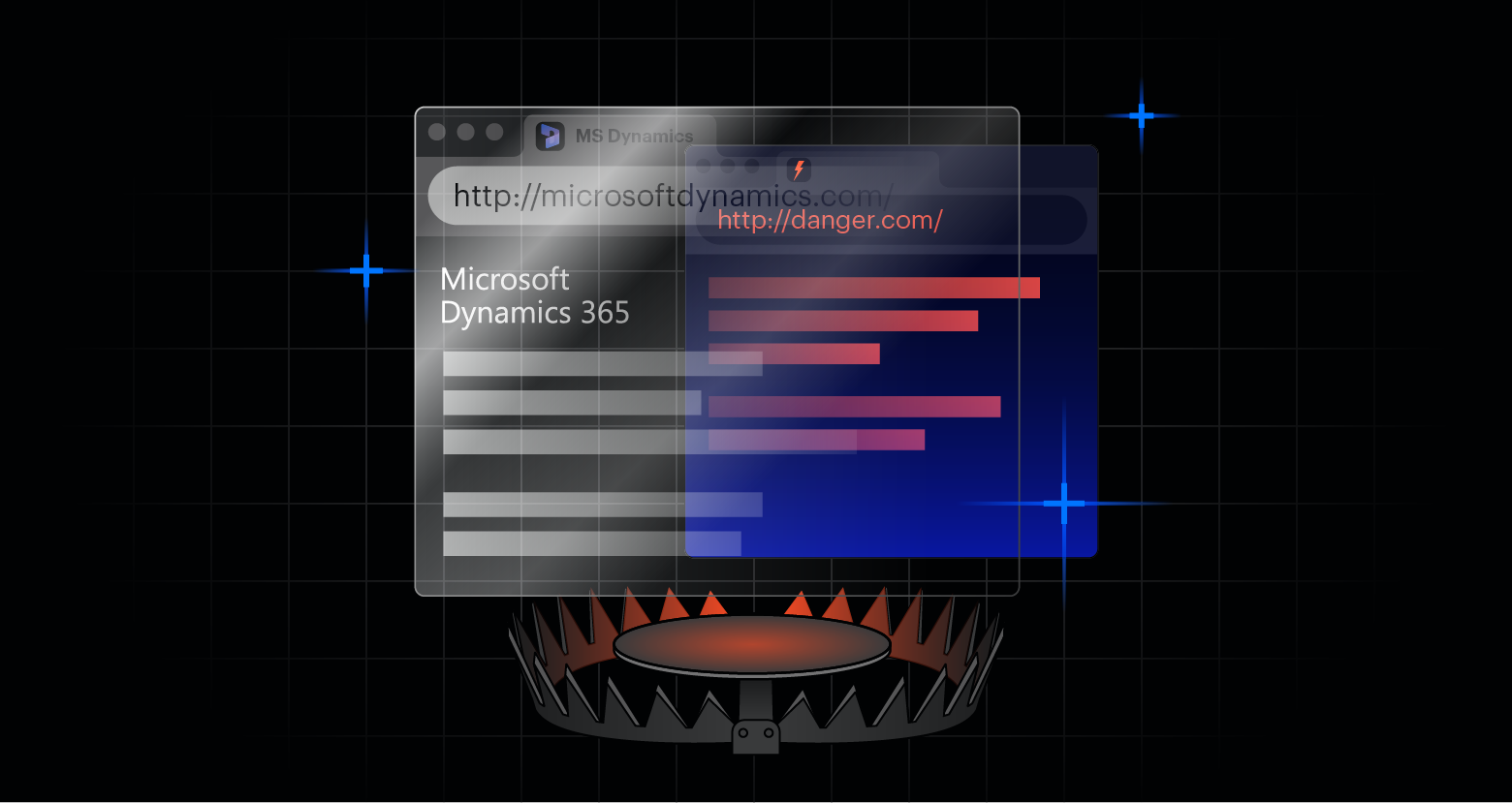
- Prepare and craft the attack: Using the gathered information, attackers craft personalized emails. They might register domains closely resembling a company's domain (known as "typosquatting") or compromise legitimate accounts. Emails mimic real language, signatures, and formatting.
- Build trust and set the trap: Some attacks are "one and done," but sophisticated campaigns may involve back-and-forth communication. Attackers gradually build trust and rapport with the target, increasing their credibility before making the critical request.
- Execution: When the moment feels right, the attacker sends a request for money, information, or other assets. They often create urgency or secrecy. By the time the victim realizes the error, the attacker has usually transferred the funds or exfiltrated the data, leaving few traces.
Why Business Email Compromise is so hard to stop
Several factors make BEC challenging even for security-conscious organizations:
- Email security evasion: Many BEC emails don't contain malicious links or attachments. Traditional email security solutions, which focus on blocking malware and phishing, may fail to detect these threats.
- Use of trusted platforms: Attackers may exploit platforms like QuickBooks, OneDrive, or PayPal that send legitimate system-generated messages.
- Personalization and timing: Emails are highly contextual, often tied to real business cycles, ongoing projects, or internal procedures gleaned from prior breaches or LinkedIn.
- Leveraging human nature: Authority, trust, urgency, and secrecy are all psychological triggers that BEC emails exploit expertly.

Hypothetical example: payroll diversion
Consider an HR specialist who receives an email that appears to be from a senior manager. The email requests an urgent update to direct deposit information, citing new bank details. The message comes from the manager's actual email account, which has been compromised.
Believing the request to be legitimate and not wanting to delay a senior employee's payroll, the HR specialist processes the change. When payday arrives, the salary gets deposited in an account controlled by the attacker. The real employee never receives their compensation.
The impact of BEC
The financial costs of BEC can be substantial. Single attacks can result in losses from tens of thousands to millions of dollars. However, direct financial loss is only part of the picture.
Reputational damage, regulatory penalties for data breaches, and loss of business relationships are potential secondary impacts. As these attacks often target financial information or sensitive data, organizations may face extensive investigation and remediation costs as well.
Defending and preventing Business Email Compromise with key strategies
BEC prevention demands a comprehensive security approach. This combines technology, process, and user awareness.
User education and awareness
Continuous training is critical. Employees must recognize common tactics, such as unexpected changes to payment details, urgent requests for secrecy, and unusual sender email addresses. They need to feel empowered to verify suspicious requests through alternative channels.
Technical controls
Modern security solutions use artificial intelligence and natural language processing. They detect the contextual and behavioral cues characteristic of BEC emails. These solutions can flag suspicious requests, analyze sender legitimacy, and spot anomalies compared to prior communications.
Process verification
Organizations should implement strict internal controls. This includes multi-factor authentication for sensitive transactions, dual-approval for fund transfers, and established procedures for verifying identity. This is especially important for any request involving financial or sensitive information changes.
Regular audits and simulations
Regular assessments of email security posture and staged phishing tests help ensure readiness. They also uncover process weaknesses.
Here are two essential controls for defending against BEC:
- Verification of payment requests: For any request to change vendor payment details, add new suppliers, or wire funds, require secondary verification via telephone or in-person channels. Never rely on email alone.
- Limitation of information sharing: Limit the amount of detailed business and employee information published online. Attackers use this data for reconnaissance.
How advanced solutions protect against BEC
As attackers increasingly use artificial intelligence to craft convincing BEC messages, security tools have evolved to counter these threats. Varonis Interceptor leverages advanced AI, natural language processing, and behavioral analysis to spot subtle anomalies in email content, sender behavior, and context.
This includes:
- detection of unusual communication patterns, such as a sudden request for payment from a contact who rarely makes such requests
- analysis of the relationships within the organization to spot impersonation attempts
- real-time response to suspicious requests or behavioral deviations
These technologies work together to reduce reliance on users' vigilance alone. They close the gap left by traditional signature-based email filtering.
Don't wait for a breach to occur.
BEC attacks represent one of today's most serious cyber risks. They combine technical sophistication with psychological manipulation. By understanding the various forms BEC can take, recognizing the signs of attack, and adopting layered defense strategies, organizations can meaningfully reduce their exposure and financial risk.
In a landscape where attackers constantly refine their techniques, vigilance and a proactive security posture are essential. By partnering with advanced security providers and prioritizing continuous improvement, businesses can stay ahead of the evolving threat. This maintains the integrity of their financial and operational processes.
Ready to see how Varonis can help defend your organization from BEC and other advanced email-based threats? Contact us today to find out how our AI-driven solutions can secure your communications — before attackers reach your inbox.
Business Email Compromise FAQs
How do BEC attacks work?
BEC attacks typically begin with attackers researching their targets. They gather information about organizational structure and business processes. They then craft convincing and personalized emails, often impersonating executives or vendors, to build trust with the victim. The attacker eventually sends a fraudulent request—usually for money, sensitive information, or account changes—under the guise of urgency or confidentiality.
What is an example of a business email compromise?
An example of a BEC attack is when a finance manager receives an invoice from what appears to be a trusted vendor. Sometimes attackers use a legitimate-looking platform like QuickBooks. The manager processes a payment request that is actually fraudulent, resulting in funds being sent to an account controlled by the attacker.
What is the difference between phishing and BEC?
Both phishing and BEC involve deceptive emails, but they differ significantly. Phishing messages tend to be generic and sent broadly to many recipients. They hope to trick unwary individuals into clicking malicious links or providing credentials.
In contrast, BEC attacks are highly targeted, personalized, and often rely solely on social engineering without the use of links or attachments. This makes them harder to detect.
What is an email account compromise?
Email account compromise is a form of BEC where an attacker gains unauthorized access to a legitimate user's email account. This often happens through credential theft or phishing. The attacker then uses that account to send fraudulent requests to others within the organization, leveraging the trust associated with the compromised account.




-1.png)