Forrester published a new report, The Email, Messaging, And Collaboration Security Solutions Landscape, Q4 2026, on October 23. Varonis Interceptor is among Forrester's overview of 26 notable vendors.
The report comes at a time when email security is experiencing a fundamental shift. As AI makes social engineering more convincing and harder to tell apart from routine business communication, security has become the front line of trust for the enterprise.
Email, messaging, and collaboration have converged, and attackers use AI to exploit all of them at once. The category is changing with it. Vendors are expanding protection beyond the inbox, and the line between email security and adjacent categories is getting harder to draw.
Here are three ideas for security teams to keep in mind:
1. AI raises the stakes on both sides
Forrester names AI agents turning communications into instructions as the "top disruptor" of this category. In other words, AI is changing the target.
On one side, attackers use AI to tailor phishing campaigns at scale. On the other, AI agents increasingly act on behalf of employees, reading emails, opening links and files, or carrying out requests.
The defenses that hold up will be the ones that can confirm whether a sender — human or machine — is who they claim to be, read each request in the context of the relationship and workflow around it, and block the attack before a person or agent ever engages with it.
2. Social engineering moves across channels
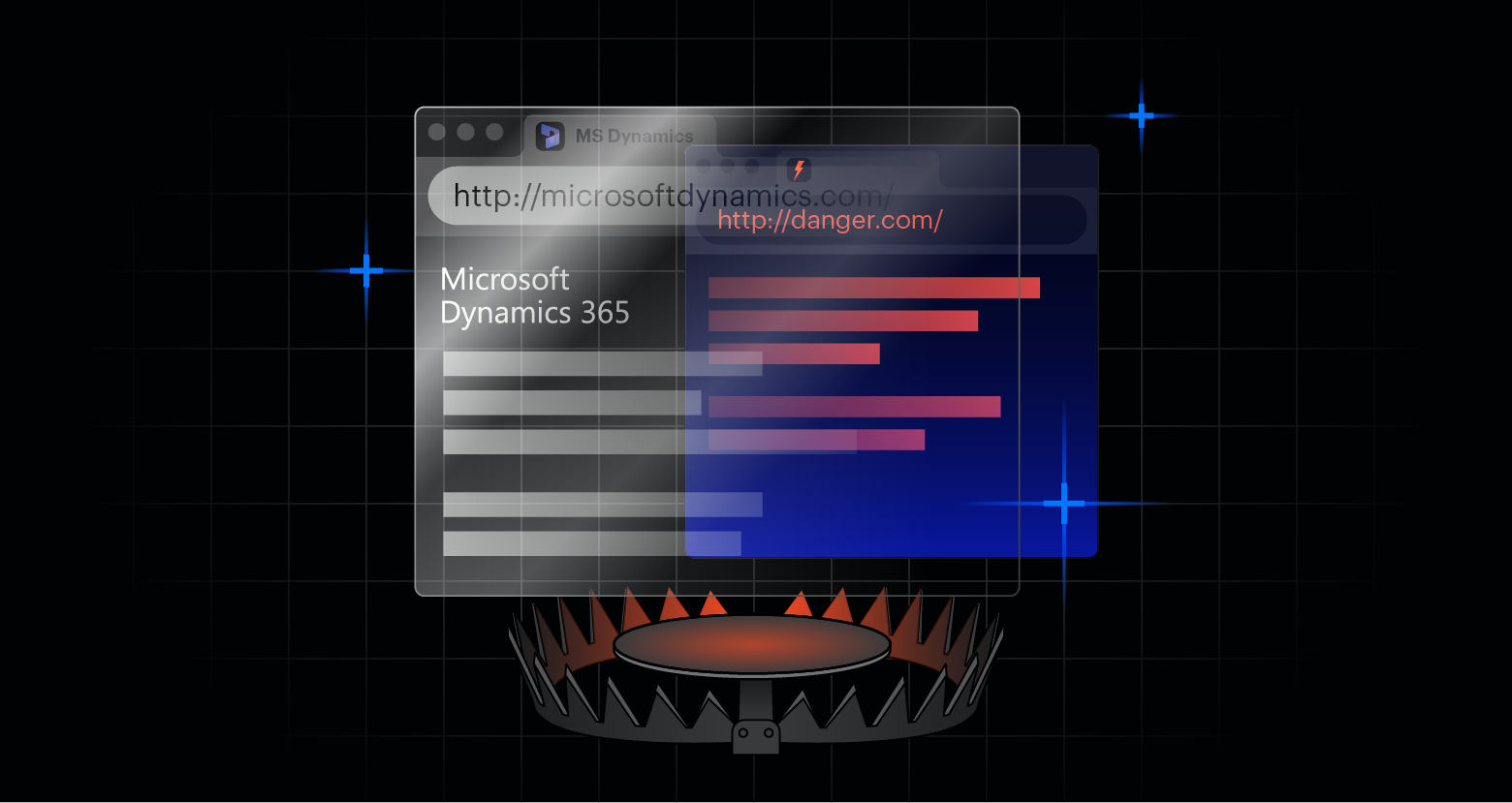
Social engineering is no longer constrained to the inbox. A phishing attack may start in email, then continue in a chat thread, a shared file, or a browser tab. Email-only tools can't see phishing delivered through collaboration tools, personal accounts, web traffic, or social platforms. As campaigns spread across channels, inbox-only defenses will leave more gaps.
Attackers don't care where one security product ends, and the next begins. They move through the gaps between them. Defense must follow the interaction across every channel employees use.
3. Trust is the new attack surface
Forrester puts the primary challenge plainly: "Malicious intent hides inside legitimate communications."
Security teams should read that as a warning. The most damaging attacks today don’t look like attacks. They come from a real colleague's mailbox, a familiar vendor, or a reply in an already-underway thread. Modern attacks often carry nothing a traditional filter would flag. The signals defenders once relied on to verify trusted communication are now the signals attackers exploit.
Modern social engineering defense must look beyond whether a sender, domain, or link appears trustworthy. It needs to understand the message itself, the relationship between sender and recipient, what a link or attachment actually does, and where the interaction ultimately leads.
Where Varonis lands
Varonis is included among notable vendors in The Email, Messaging, And Collaboration Security Solutions Landscape, Q4 2026.
The market boundary is moving. At Varonis, we think social engineering defense should move with it.
Varonis Interceptor is built to deliver zero-trust social engineering defense across multiple channels. It tests every message in a sandbox before users or agents interact with it, and blocks phishing links regardless of where they originate, from email and collaboration tools to search, ads, and social media.
To explore the full market overview, Forrester subscribers can read the report here.
Source: The Email, Messaging, And Collaboration Security Solutions Landscape, Q4 2026, Forrester Research, Inc., October 23, 2026.
Forrester does not endorse any company, product, brand, or service included in its research publications and does not advise any person to select the products or services of any company or brand based on the ratings included in such publications. Information is based on the best available resources. Opinions reflect judgment at the time and are subject to change. This report is part of a broader collection of Forrester resources, including interactive models, frameworks, tools, data, and access to analyst guidance. For more information, read about Forrester’s objectivity here.
Modernize your email security for today's threat landscape