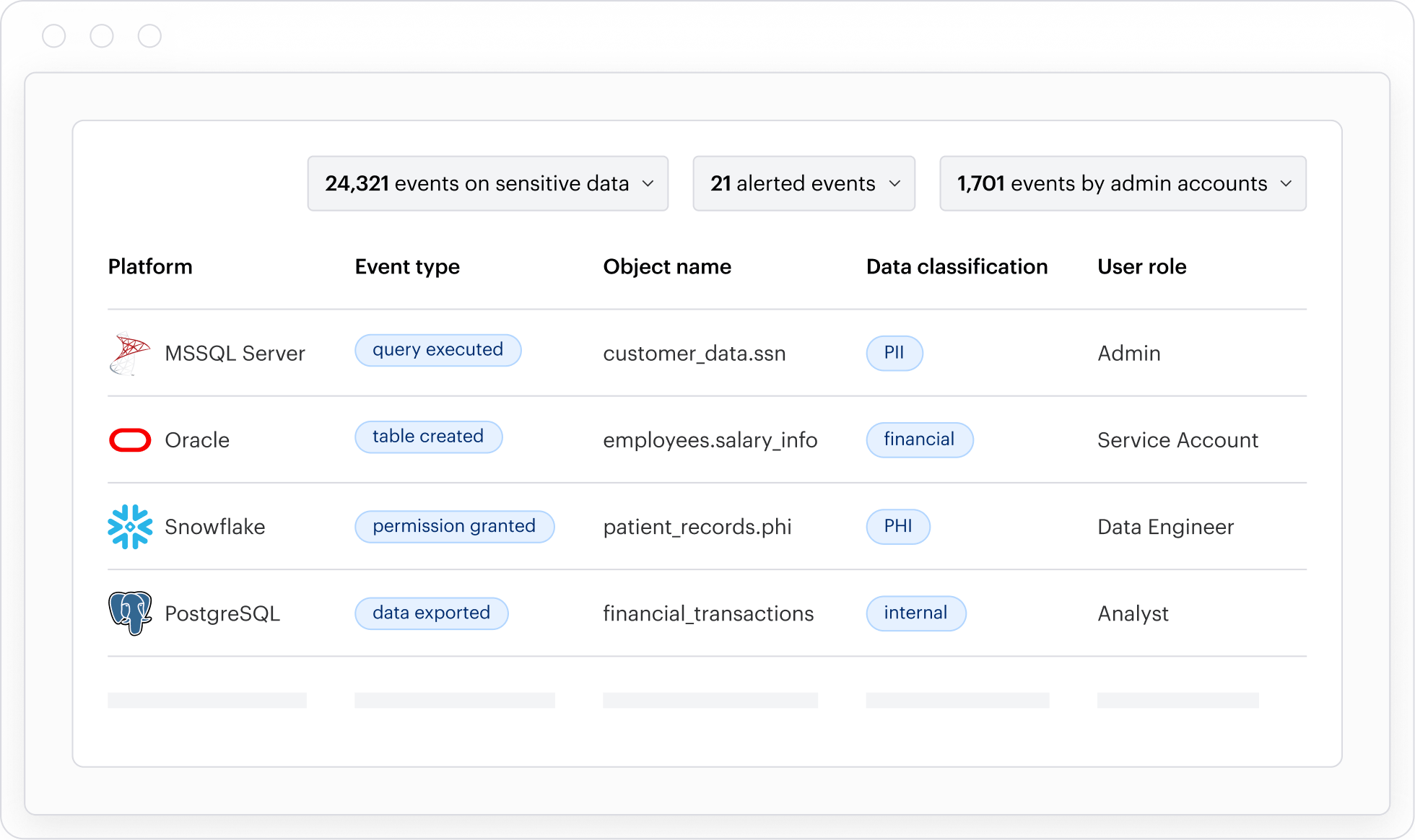


Feature Comparison
Imperva is legacy DAM. Varonis is modern data security.


Deployment
Nothing to install, manage, or upgrade (deploy in weeks, not years)
Complex length implementation (measured in years)
Architecture
Out-of-the-box cloud application
Self-managed appliances
Overhead
100% agentless
Agent focus + (native logs + new proxy)
Threat detection
Proactive detection MDDR
No SOC service - DIY
Automation
Automated risk prevention
No automations
Identity security
Identity protection
Very limited permissions
Imperva is hard to deploy and harder to live with
Imperva’s approach is infrastructure-first: appliances, agents, and a complex implementation that turns database security into a long, resource-heavy rollout. That overhead doesn’t go away after go-live. It becomes the day-to-day cost of operating the tool.
Varonis is agentless with nothing to install, manage, or upgrade. You get coverage at scale without adding performance risk, operational load, or a separate DAM stack to monitor.
Why it matters: If your DAM tool needs a project plan to function, it will never keep up with your data sprawl.
Imperva detects events but leaves you with the work
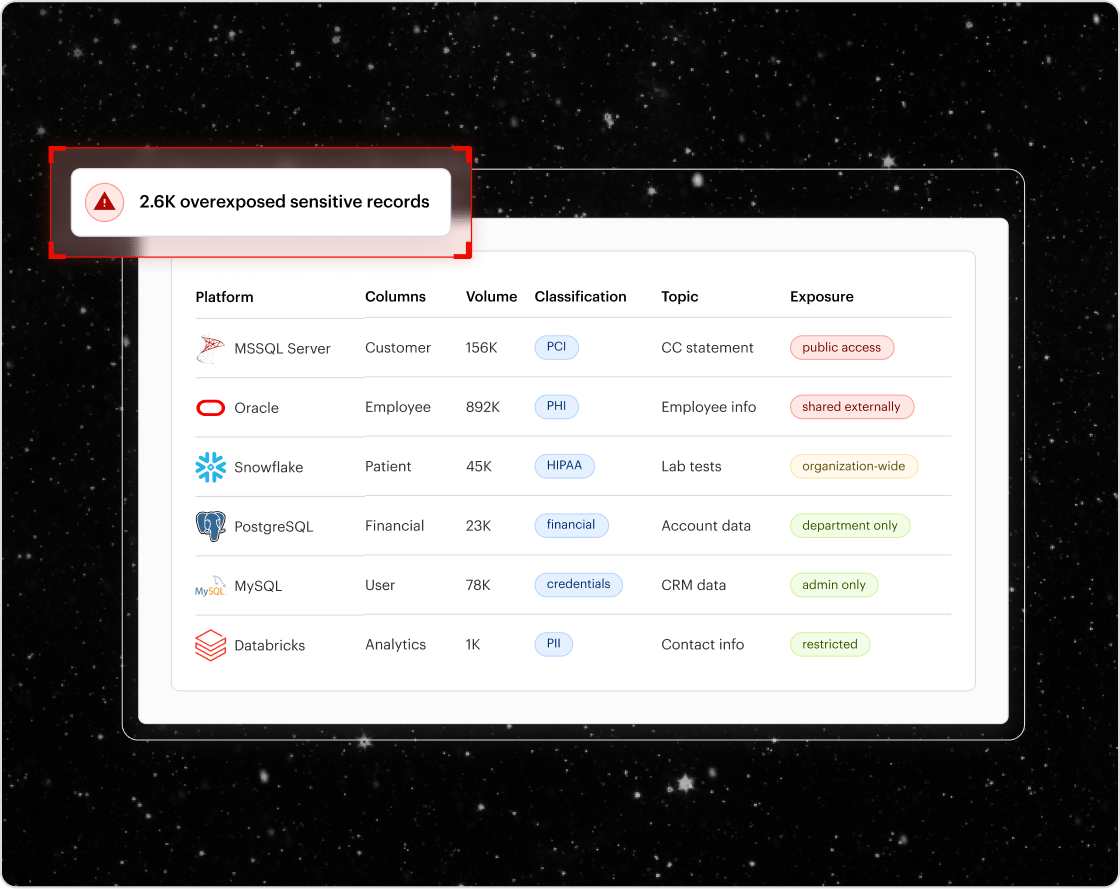
Imperva can surface database activity, but risk reduction is still largely manual. That means excessive permissions, stale access, and misconfigurations linger and your blast radius stays wide. Since Imperva is so hard to implement, most companies leave many of their databases unmonitored, opting for only partial coverage in exchange for less implementation work.
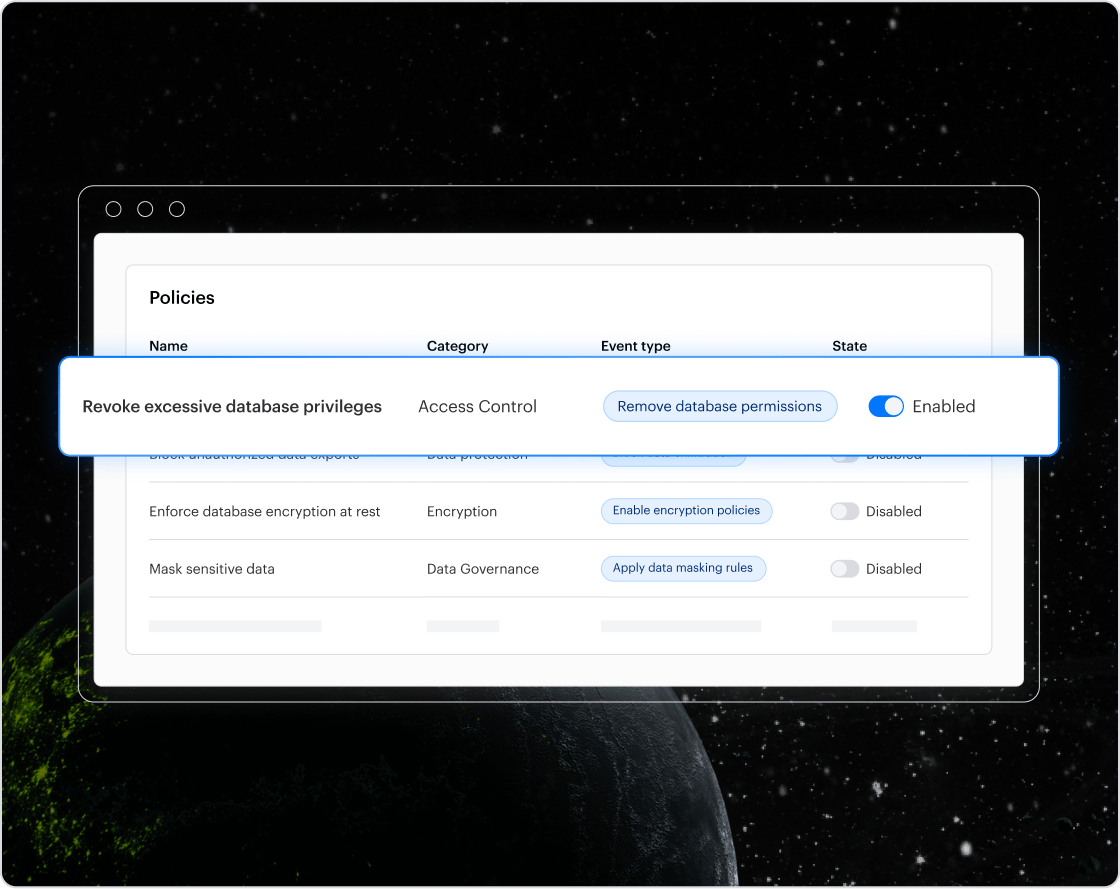
With Varonis risk goes down continuously, not “when someone gets to it,” because Varonis automatically reduces exposure by revoking stale access, right-sizing permissions, and locking down overexposed data at scale.
Why it matters: The gap between “alert” and “fix” is where breaches happen.
Imperva can't stop identity-driven attacks on data
Imperva focuses on database-layer signals, which limits its ability to spot identity abuse across environments. Compromised credentials, insider misuse, and stealthy data exfiltration often look like “normal” database activity.
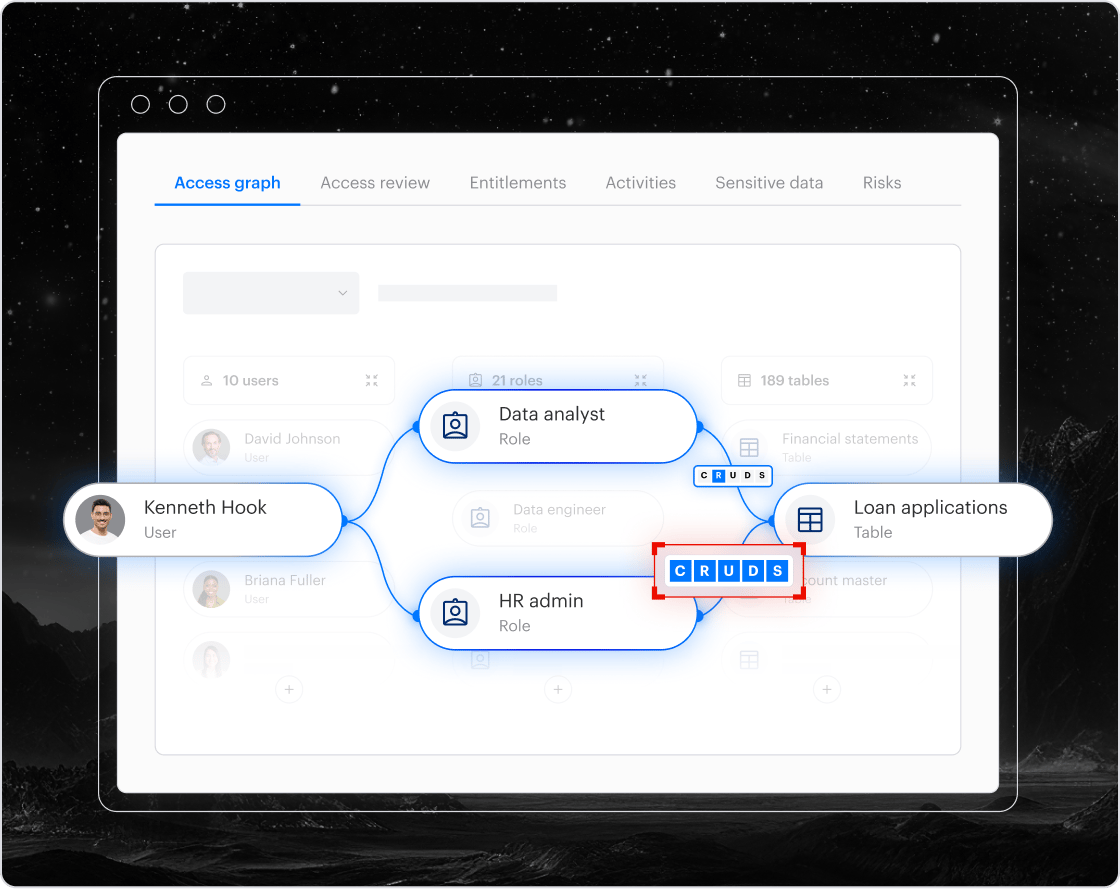
Varonis correlates identity, permissions, and activity to detect data threats in real time and backs it with 24x7x365 Managed Data Detection and Response (MDDR), so alerts turn into outcomes.
Why it matters: Attackers don’t breach “databases.” They breach identities and use access to steal data.





Ready to see the #1 Data Security Platform in action?
Ready to see the #1 Data Security Platform in action?