
Feature Comparison
Guardium is a legacy DAM. Varonis is a modern
data security platform.


Deployment
Nothing to install, manage, or upgrade (deploy in weeks, not years)
Complex length implementation (measured in years)
Architecture
Out-of-the-box cloud application
Self-managed appliances
Overhead
100% agentless
Agent focus + (native logs + new proxy)
Threat detection
Proactive detection MDDR
No SOC service - DIY
Automation
Automated risk prevention
No automations
Identity security
Identity protection
Very limited permissions
Guardium alerts, Varonis acts
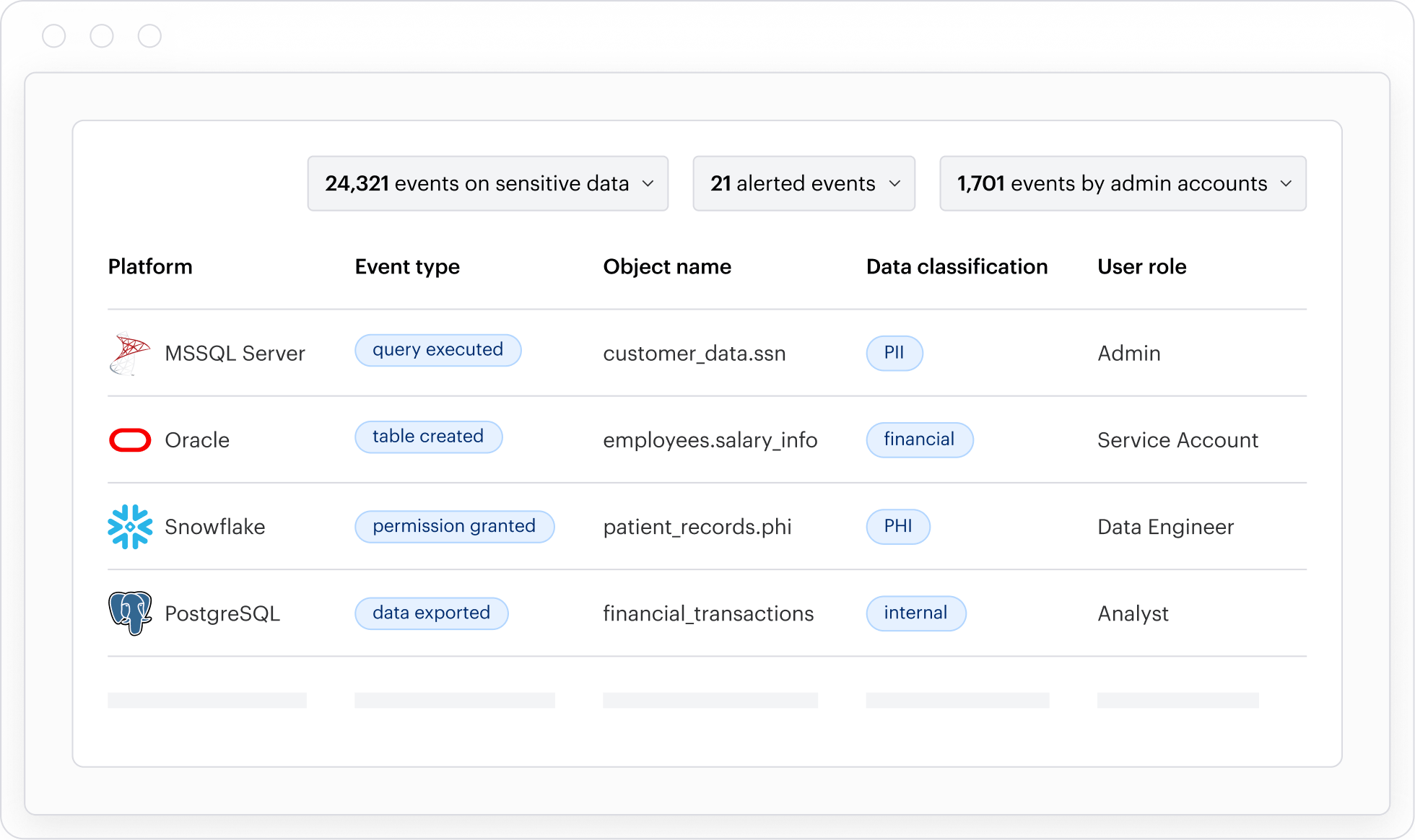
Guardium can generate database activity alerts, but it doesn’t close the loop on exposure. Teams still have to manually investigate any suspicious activity and manually correlate database credentials to corporate identities.
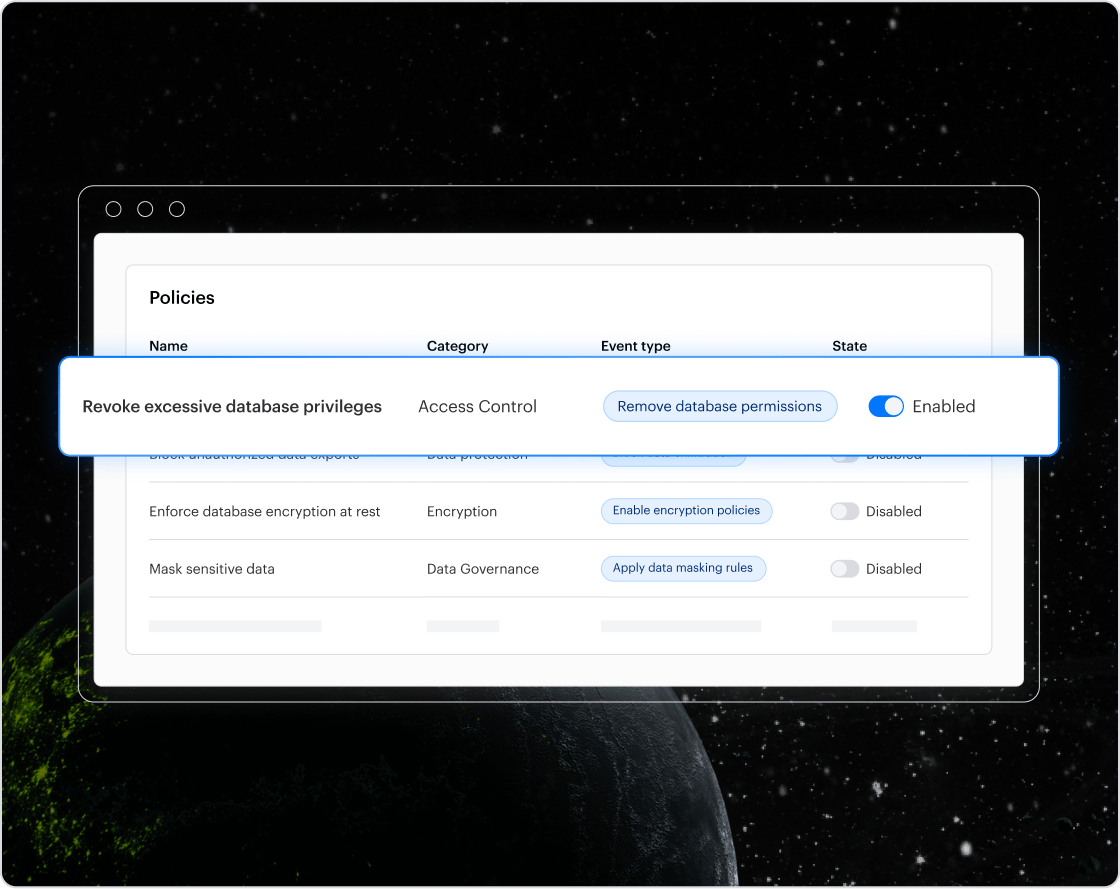
Varonis automatically flags suspicious identities and revokes their access as well as proactively reduces blast radius by revoking stale permissions, right-sizing access, and continuously enforcing policies. Risk shrinks without waiting on tickets.
Why it matters: Reporting isn't security. Real security is providing you with outcomes.
Guardium comes with a legacy architecture tax
Guardium’s model depends on self-managed infrastructure (appliances, agents, and proxies) which increases overhead and adds friction to deployment and operations. That complexity slows adoption and creates on-going maintenance burden.
Varonis is agentless with nothing to install, manage, or upgrade. You get coverage at scale without infrastructure sprawl or performance tradeoffs.
Why it matters: If the tool is hard to run, it won’t be run well and gaps will grow.
Guardium lacks unified, identity-aware threat detection
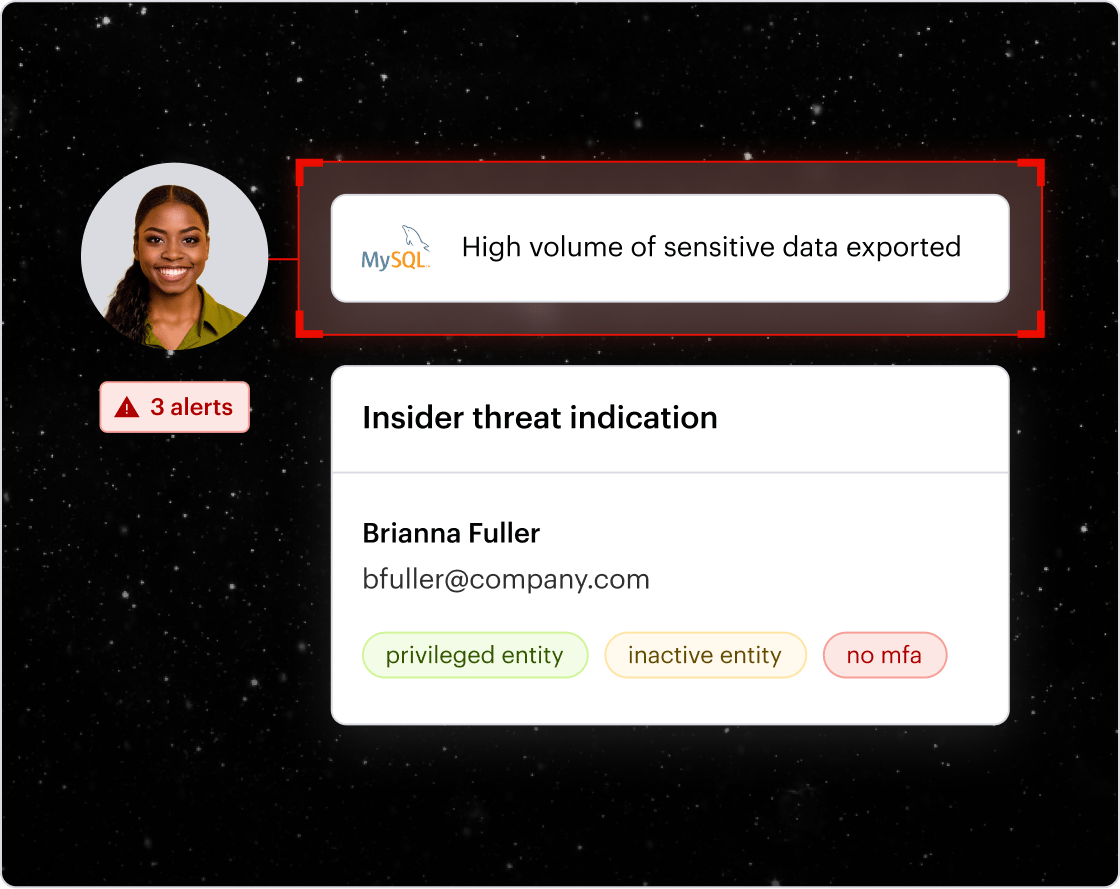
Guardium’s focus on database activity limits its ability to detect identity abuse patterns. Compromised accounts and insiders often blend in without behavioral correlation across systems.
Varonis correlates identity, permissions, and activity across databases, cloud, and SaaS to detect and respond to threats in real time, backed by 24x7x365 MDDR.
Why it matters: Breaches happen through abused access. If you can’t connect identity to data risk, you can’t stop the attack.
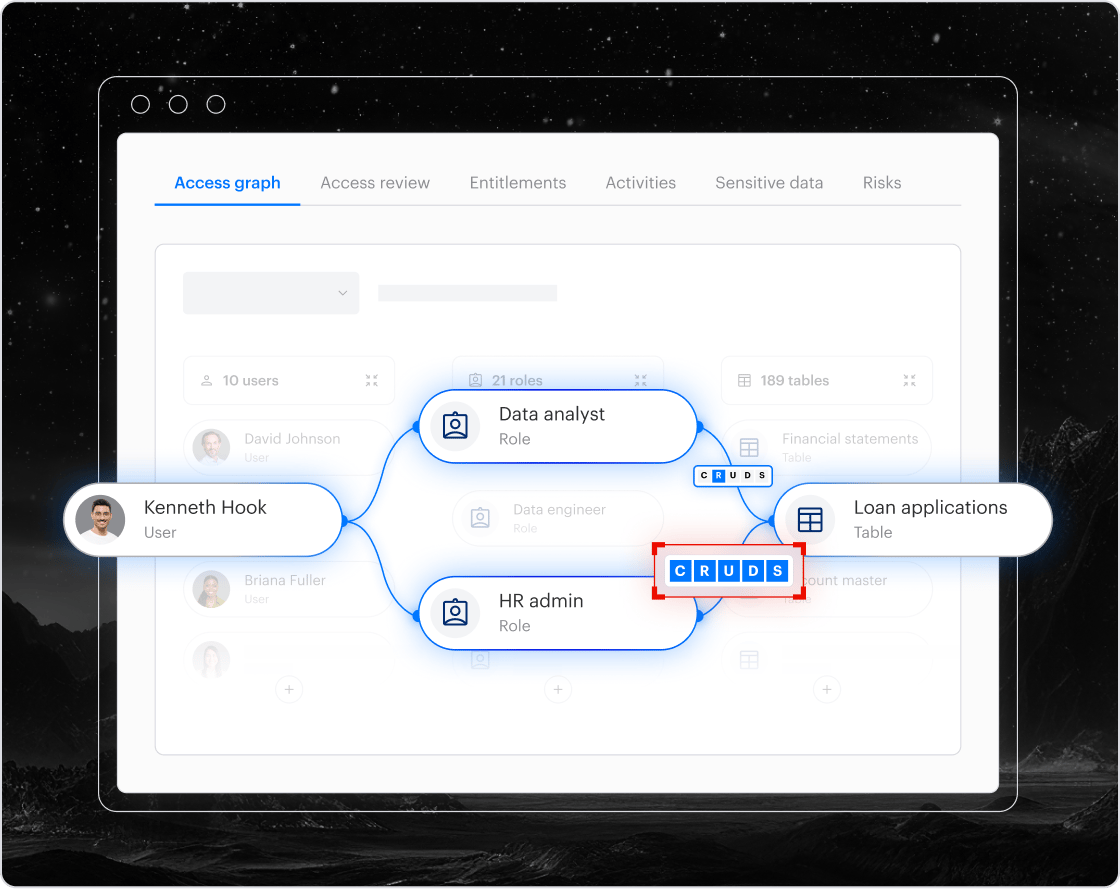





Ready to see the #1 Data Security Platform in action?
Ready to see the #1 Data Security Platform in action?